



Introduction to the New York Times (NYT) Crossword Puzzle
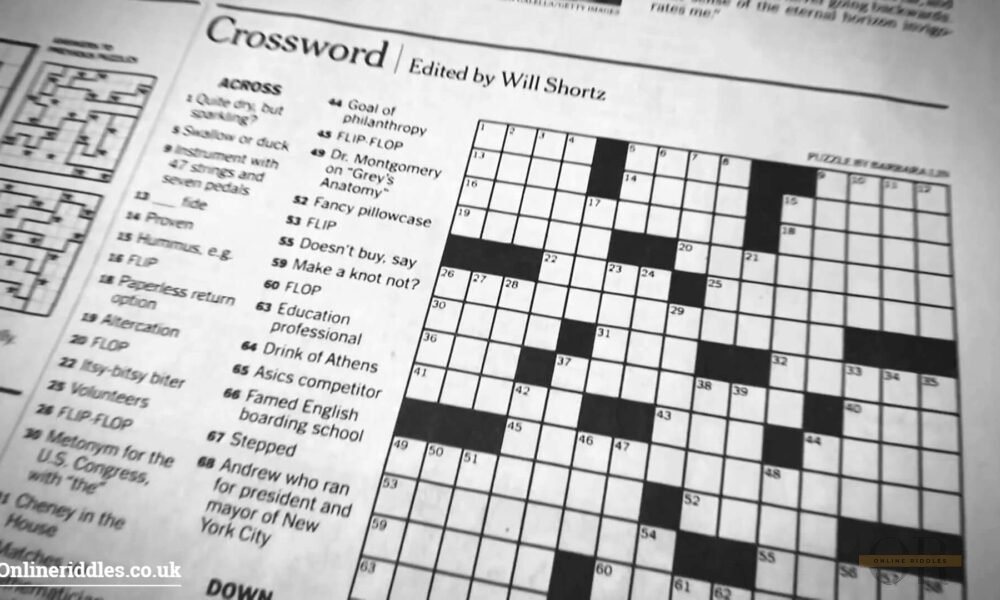
The New York Times (NYT) Crossword Puzzle is one of the most popular and respected word puzzles in the world. It appears daily in The New York Times, with puzzles that grow in difficulty from Monday to Saturday, while Sunday features a larger, themed crossword. Loved by beginners and expert solvers alike, the NYT Crossword helps improve vocabulary, sharpens thinking skills, and offers a fun mental challenge. With clever clues, smart wordplay, and timely themes, it has become a daily habit for millions of puzzle fans around the globe.
The Clue: “try to sack as a quarterback” (NYT Crossword)
In this clue, the wording is a bit tricky. It doesn’t mean the quarterback is trying to sack someone else. Instead, it refers to what a quarterback does to avoid being sacked by the defense.
When pressure comes, a quarterback will try to escape or avoid defenders, using movement and quick thinking.
✅ Final Answer:
ELUDE
This fits perfectly because to elude means to avoid or escape someone—exactly what a quarterback tries to do when defenders rush in for a sack.
Tips for Solving the Clue “Try to sack as a quarterback” (NYT Crossword)
Here are some helpful tips to crack this clue quickly and with confidence:
- Read the clue carefully
The phrase can be misleading. It’s not about a quarterback sacking someone, but about what happens to a quarterback during a play. - Think in reverse
In football, defenders try to sack the quarterback. So ask yourself: What does a quarterback do to avoid a sack? - Focus on action verbs
Look for verbs that describe movement or escape, such as dodge, avoid, or slip away. - Check the tense
The clue uses “try to,” which often points to a present-tense verb commonly used in crosswords. - Use crossing letters
If you already have a few letters from intersecting answers, match them with football-related words that fit the pattern. - Expect clever wordplay
NYT Crossword clues often rely on misdirection. Don’t take the clue at face value—look for the smart twist.

Other Articles

Absolute Junk NYT Crossword Answer & Tips
Pink pearls are classic ones NYT Crossword Answer and Tips