

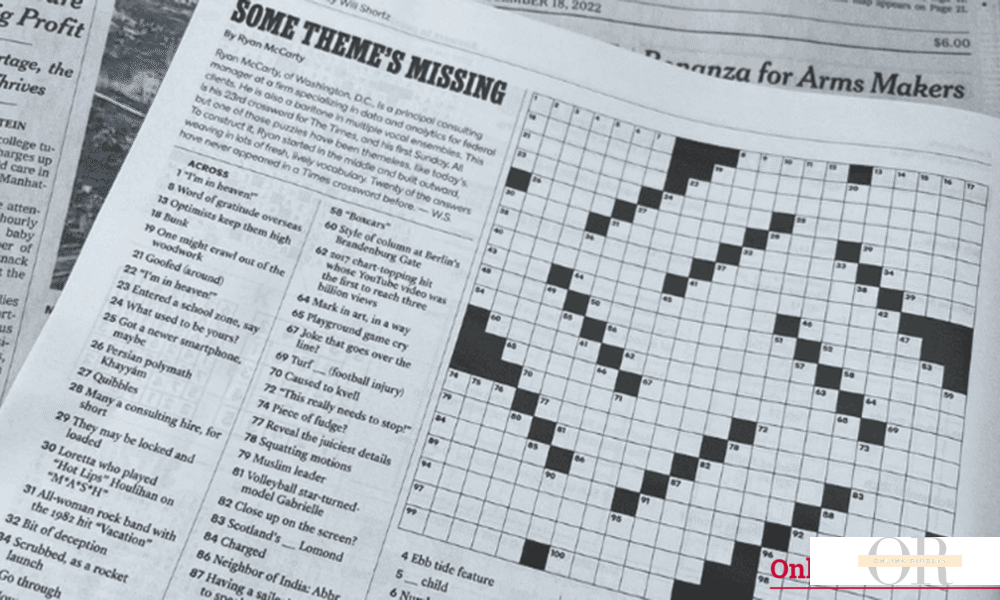

Introduction to the New York Times (NYT) Crossword Puzzle
The New York Times Crossword is the most famous word puzzle in the world, and millions of people enjoy solving it every day. It’s become a fun daily habit for folks who love playing with words and testing their knowledge on all sorts of topics. What makes this crossword special is that it starts easy at the beginning of each week and gets harder as the days go by, so there’s something for everyone whether you’re just starting out or you’ve been solving for years. Each puzzle is carefully made by creative people who come up with clever clues that make you think in new ways and feel great when you finally figure them out. More than just a game, doing the crossword helps keep your mind sharp, teaches you new words, and connects you with other puzzle lovers who share the same passion for cracking those tricky clues.
The Clue: More Wicked NYT
The clue “More Wicked” is asking for the comparative form of words that mean evil, sinful, or morally bad. Think about adjectives that describe someone or something as bad, evil, or mischievous, then consider how you’d express “more” of that quality. This could refer to being more evil, more sinful, more mischievous, or more morally corrupt than something else. Common possibilities include comparative forms of words like wicked, evil, vile, or sinful. To solve this clue, count your letter spaces to determine how long the answer needs to be, check any crossing letters you’ve already filled in from intersecting words, and think about how to express increased levels of wickedness or evil—whether through adding “-er” to shorter words or using “more” with longer adjectives.
Tips for Solving the Clue More Wicked NYT
Here are some helpful tips for tackling the clue “More Wicked” in the New York Times below:
- Understand Comparative Forms
“More Wicked” is asking for a comparative adjective—a word that expresses a greater degree of evil or badness. Look for words that mean “more evil” or “more sinful.”
- Count Your Letter Spaces
Check how many blank squares you need to fill in your puzzle. This narrows your options and helps you determine the exact length needed for the answer.
- Think About “-er” Endings
Many comparative adjectives are formed by adding “-er” to the base word. Consider adding this suffix to words like bad, vile, evil, or mean.
- Consider Both Standard and Informal Forms
While “worse” is the standard comparative of “bad,” crosswords sometimes use informal or colloquial forms that people actually say in conversation, even if they’re not grammatically perfect.
- Check Your Crossing Letters
Look at any letters already filled in from words that intersect with this clue. Even one or two letters can guide you toward the right answer and eliminate options.
- Remember Crosswords Use Wordplay
Don’t limit yourself to strictly correct grammar. Crossword puzzles sometimes use playful or informal language that reflects how people actually speak.
- Test Your Answer
Fill in your best guess and check if it helps solve the crossing clues. If those answers make sense and fit naturally, you’ve found the right solution.
Final Answer of More Wicked NYT
The answer to the clue “More Wicked NYT” in the NYT crossword is BADDER (6 letters), which is the informal comparative form of “bad”. While “worse” is the standard comparative form in proper English, “badder” is used colloquially in everyday speech to mean “more bad” or “more wicked,” especially in slang or informal contexts. Crossword puzzles sometimes embrace these playful or non-standard forms that reflect how people actually talk. Other possible answers depending on letter count include VILER (5 letters) for more vile or disgusting, EVILER (6 letters) for more evil, or MEANER (6 letters) for more cruel or nasty. To confirm the right answer, count your letter spaces and check your crossing letters. BADDER works well for this clue because it captures the informal, conversational way people express “more wicked,” even though it’s not grammatically standard English.

Other Articles

How to Solve the In the Midst of NYT Crossword Clue
Mental Fog NYT: Tips and Final Answer Explained